
Karma (कर्म) is one of the core concepts in Hinduism (and also in Buddhism, Jainism, and Sikhism). It literally means “action” or “deed,” but it refers to the universal law of cause and effect that governs moral and spiritual consequences.
Simple Explanation
- Every thought, word, and action you perform creates karma.
- These actions produce results (fruits) that return to you — either in this lifetime or in future births.
- Good actions (positive karma) lead to happiness, success, and better circumstances.
- Bad actions (negative karma) lead to suffering, challenges, or setbacks.
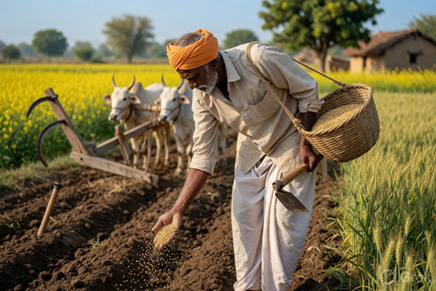
- It is a natural, impersonal law, like gravity. You reap what you sow.
Three Types of Karma:
- Sanchita Karma — Accumulated karma from all past lives.
- Prarabdha Karma — The portion you are experiencing right now in this life (what you “have to go through”)
- Kriyamana (or Agami) Karma — New karma you are creating in the present through your choices.
Karma operates across lifetimes because the soul (atman) is eternal and reincarnates (samsara) until it achieves moksha (liberation).
Important Clarifications
- Free Will Exists — You cannot change past karma easily, but your current actions determine future karma. Devotion, selflessness, and wisdom can help neutralize or transcend negative effects.
- Not Fatalistic — Hinduism encourages proactive living, ethics (dharma), and spiritual practices (yoga, meditation or puja) to improve one’s karma.
- Beyond Reward/Punishment — Karma ultimately teaches lessons for soul evolution toward unity with the divine (Brahman).
Famous Analogy
Lord Krishna explains in the Bhagavad Gita (Chapter 4 & others) that one should perform duties selflessly without attachment to results — this is nishkama karma (action without desire for fruits), the path to freedom from karma’s bondage.