
Latest Post

What is the purpose of birth ?
A newly born child Mosquito to his mother - "What is the purpose of our birth ?"
Suddenly MCD...
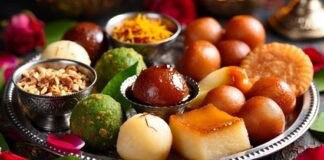
How this word मिष्टान्न is formed ?
The correct word is मिष्टान्न , the incorrect word is मिष्ठान
मिष्ट - ( मिष् + क्तः )...
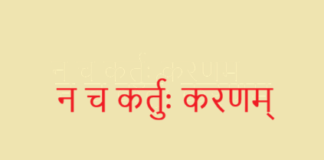

I have been sent to Earth
I have been sent to this planet called Earth in the vast universe, with a purpose to achieve.

Who will get the happiness ?
Sanskrit Shloka
बुद्धिमन्तं च मूढं च शूरं भीरुं जडं कविम्।दुर्बलं बलवन्तं च भागिनं भजते...
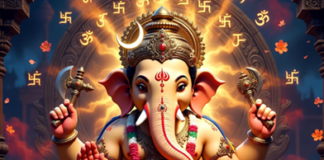
Shri Ganesha Pancharatnam
Shri Ganesha Pancharatnam ( श्री गणेश पञ्चरत्नम् )
Shri Ganesha Pancharatnam (also known as Maha Ganesha Pancharatnam) is...
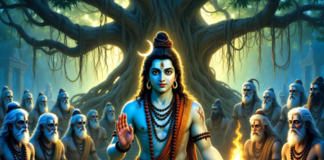
Shri Dakshinamurthy Stotram
Shri Dakshinamurthy Stotram ( श्री दक्षिणामूर्ति स्तोत्रम् )
Shri Dakshinamurthy Stotram (श्री दक्षिणामूर्ति स्तोत्रम्) is a profound hymn composed...

All accumulations will end
Sanskrit Shloka
सर्वे क्षयान्ता निचयाः पतनान्ताः समुच्छ्रयाः !संयॊगा विप्रयॊगान्ता मरणान्तं हि जीवितम् !! ...
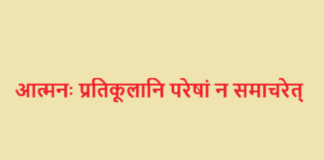
What is meaning of “Atmanah pratikulani paresham na samacharet” Shloka ?
Atmanah pratikulani paresham na samacharet
"Atmanah pratikulani paresham na samacharet" means that whatever behavior...
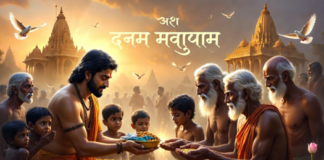
Danam bhogo nasha tisro ( दानं भोगो नाशस्तिस्रो )
"Danam bhogo nasha tisro gatayo bhavanti vitasya" is the famous Sanskrit which means "Virtues (qualities) remain virtues only when they are with someone who...
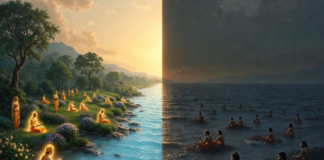
Guna Gunagyeshu ( गुणा गुणज्ञेषु गुणा भवन्ति )
"Guna Gunagyeshu" is the famous Sanskrit which means "Virtues (or qualities) remain virtues only when they are with someone who appreciates them (knows their...
What is Ekadashi and why people does this fast?
Story of Ekadashi
The Story of Ekadashi Fast (Ekadashi Vrat Katha) comes primarily from the Padma Purana. It...
Who was Rishi Animandavya (अणिमाण्डव्य)
Rishi Animandavya ( अणिमाण्डव्य )
Once there was a famous Brahmin named Mandavya (माण्डव्य). He did Tapas (penance) for...
Difference between Mantra, Suktam, Shloka, Stotram and Stuti ?
Mantra (मंत्र)
is a sacred utterance, a syllable or group of words believed to have psychological and spiritual...
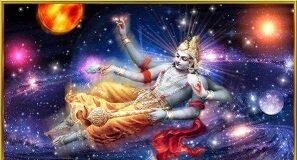
Purusha Suktam (पुरुषसूक्तम्) – Sanskrit with Hindi meaning
Purusha Suktam (पुरुषसूक्तम्)
Purusha suktam is hymn mentioned in Rigveda 10.90, dedicated to the Purusha, the "Cosmic Being".
What are Shanti Mantra and when are they recited?
Shanti Mantra or Peace Mantra
Shanti Mantra or “Peace Mantra” are Hindu prayers for peace from the Vedas, where...
What are Upaveda ?
Upaveda (उपवेदः)
Upaveda - The term Upaveda refers to applied knowledge or a subject derived from each Veda.
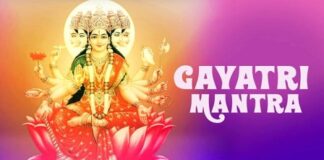
What is the source and meaning of Gayatri Mantra ?
Gayatri Mantra (गायत्री मन्त्र)
The Gayatri (गायत्री) Mantra, also known as the Savitri (सवित्री ) Mantra, is a mantra...
Does a soul who attains Moksha, it reincarnate in next cycle...
Will there be rebirth after Moksha
If a soul liberated, than there is no rebirth...
Do Vedas talk about rebirth or reincarnation?
Vedas view on Rebirth
Brihadaranyaka Upanishad says about the rebirth. The text is contained within the Shatapatha Brahmana,...
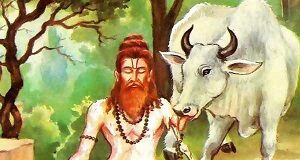
How Rishi Dadhichi got name as Ashvashira ?
Ashvashira (अश्वशिर)
Ashvashira is another name of Rishi Dadhichi (दधीचि).
Rishi Dadhichi is a knower of...
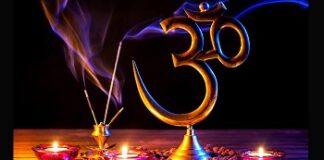
What does Om (ॐ) signify?
Symbol Om (ॐ)
Om (ॐ) is a symbol representing Atman (soul) or Brahman (ultimate reality). It is often found...